Social Behavioral Assessment: Comprehensive Insights to Support Emotional Growth & Positive Development

Social Behavioral Assessment

Whole Mind Psychological Services provides comprehensive social behavioral assessments, psychoeducational evaluations, counseling support, and school psychologist services to help children, families, and educators better understand behavior patterns, social skills, emotional needs, and daily challenges. Our assessments help identify the factors influencing a child’s behavior and provide personalized strategies to encourage positive growth and success.
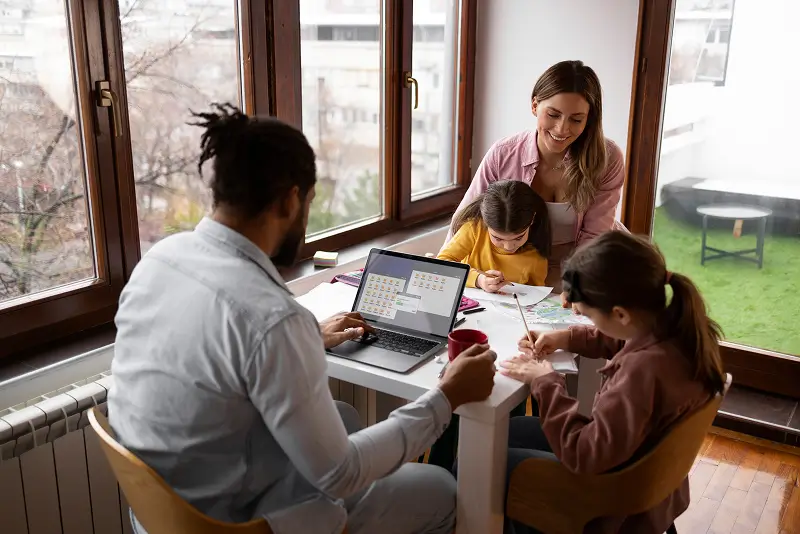

A Social Behavioral Assessment can help identify:
Challenges with social interactions, communication, or building relationships
Emotional regulation difficulties and responses to different situations
Behavioral patterns that may impact learning, home life, or school experiences
Coping skills, flexibility, and ways a child responds to changes or challenges
Social and emotional strengths that can support personal development

We help families and schools gain a clearer understanding of a child’s social and behavioral needs while providing practical recommendations to support communication, emotional growth, and positive interactions. Our goal is to create strategies that help children feel understood, supported, and confident in different environments.

Every child responds to the world in their own unique way. With the right understanding and support, children can strengthen social skills, develop emotional awareness, and build healthier connections with others.

Social Behavioral Assessment: Understanding Behavior Patterns & Creating Personalized Support Strategies

Understanding the reasons behind a child’s behaviors can make a meaningful difference in their development and success. Our comprehensive social behavioral assessments provide families and educators with valuable insight into a child’s social skills, emotional responses, behavioral patterns, and areas where support may be needed.

Through detailed assessment, professional guidance, and individualized recommendations, we help create effective approaches that encourage positive behavior, stronger relationships, emotional confidence, and success across home, school, and community settings.

What Our Clients Say

Our daughter was a high-performing and engaged student, but was challenged with standard classroom environments and ways of learning. The assessment process was incredibly thorough, supportive, and empowering, and the recommendations translated directly into practical classroom strategies. Today, our daughter is thriving with confidence and a love of learning at college!

Rhonda M.

It was a pleasure working with Michelle. She was professional and diligent in meeting the needs of our schools. Michelle hit the road running and was instrumental in ensuring that our schools remained compliant with state and federal regulations. Her services are highly recommended, and I hope I get the chance to work with her in the future.

Colleague

What sets Michelle apart is how she presents complex findings in a way that families truly understand. I’ve sat in meetings where parents arrived anxious and overwhelmed, and left feeling informed, reassured, and empowered. She has a rare ability to balance clinical depth with warmth and clarity.

Andres Zamora,
Summit Public Schools

Frequently Asked Questions

What is a social behavioral assessment?

A social behavioral assessment is a comprehensive evaluation that helps understand a child’s behaviors, social skills, emotional responses, and interactions with others. It provides insight into why certain behaviors may occur and identifies strategies to support positive development.

Why might my child need a social behavioral assessment?

A child may benefit from an assessment if they experience challenges with communication, friendships, emotional regulation, adapting to changes, or managing behaviors at home or school. The evaluation helps identify needs and create effective support plans.

What areas are evaluated during a social behavioral assessment?

The assessment may explore social communication, emotional regulation, behavior patterns, coping skills, flexibility, problem-solving, and how a child responds to different environments or situations.

How can a social behavioral assessment help my child at school?

Assessment results can provide recommendations for classroom strategies, behavior support, communication approaches, and social skill development. These insights help educators create a more supportive learning environment.

Does a social behavioral assessment only focus on challenges?

No. A social behavioral assessment also highlights a child’s strengths, positive behaviors, interests, and existing skills. Understanding strengths helps create balanced strategies that support growth and confidence.

What happens after the social behavioral assessment is completed?

After the evaluation, families receive a clearer understanding of their child’s social and behavioral profile along with personalized recommendations. These strategies can support emotional development, communication, relationships, and success in everyday situations.