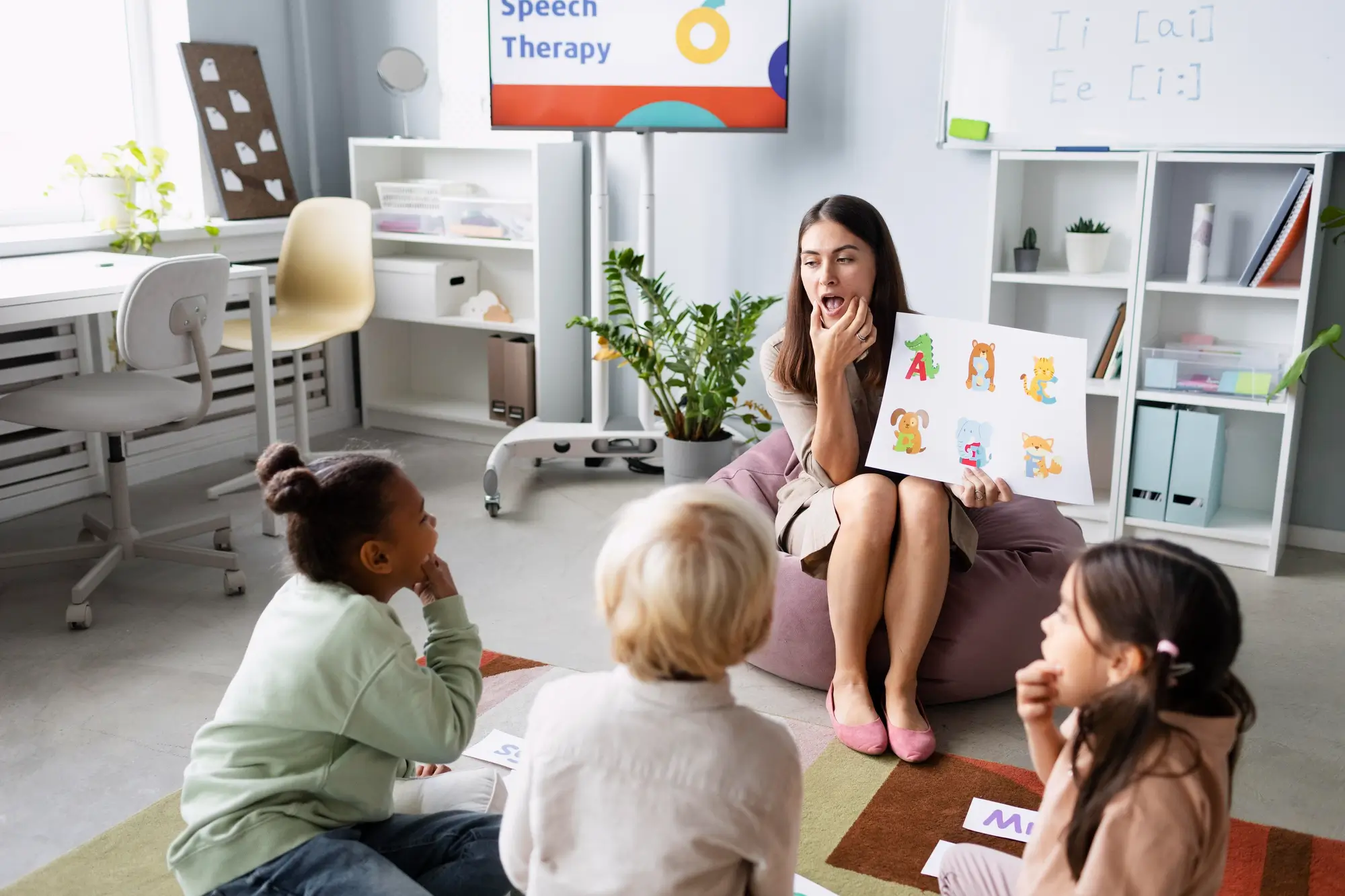

Is your child's report card telling the whole story? Not always. Grades provide a snapshot of academic performance, but they rarely explain why a student is struggling, excelling in one subject but not another, or feeling overwhelmed by school. A comprehensive psychoeducational evaluation looks beyond report cards to uncover how a child learns, processes information, and overcomes challenges, providing families with the insights they need to support long-term success.
For many families in San Jose and throughout Silicon Valley, school concerns begin long before grades decline. A child may spend hours on homework, become frustrated with reading, lose focus in class, or receive comments like "not working to potential." At Whole Mind Psychological Services, our comprehensive Psychoeducational Evaluations help identify the root causes behind these challenges while highlighting each student's strengths, learning style, and personalized path forward. Our goal isn't simply to provide answers—it's to help children build confidence and thrive both in school and beyond.
Why Report Cards Don't Tell the Full Story
Report cards measure outcomes.
They show grades, attendance, and sometimes teacher comments, but they don't explain how a child arrived at those results.
For example, two students may both earn a "C" in reading for entirely different reasons.
One may struggle with dyslexia.
Another may have ADHD affecting sustained attention.
A third student may experience anxiety that interferes with test performance.
Without understanding the underlying cause, it's difficult to choose the right support.
That's where psychoeducational evaluations become invaluable.
What Is a Psychoeducational Evaluation?
A psychoeducational evaluation is a comprehensive assessment that examines how a student thinks, learns, processes information, and performs academically.
Rather than focusing only on grades, the evaluation explores multiple areas that influence learning, including:
- Cognitive abilities
- Academic achievement
- Reading, writing, and mathematics skills
- Memory and processing speed
- Executive functioning
- Attention and concentration
- Language skills
- Social-emotional functioning
- Behavioral observations
Quick Answer: A psychoeducational evaluation helps identify why a student is experiencing academic or learning challenges and provides individualized recommendations for school and home.
Common Signs Your Child May Benefit From an Evaluation
Many parents wait until report cards decline before seeking help.
However, learning challenges often appear much earlier.
You may want to consider scheduling a psychoeducational evaluation if your child:
- Works much harder than classmates to achieve average grades.
- Struggles with reading, writing, or math.
- Frequently forgets assignments or loses materials.
- Has difficulty paying attention in class.
- Avoids homework or becomes overwhelmed easily.
- Receives inconsistent feedback from teachers.
- Appears bright but underperforms academically.
- Experiences increasing frustration or anxiety related to school.
Early identification often leads to earlier intervention—and better long-term outcomes.
Looking Beyond Academics
Learning isn't determined by intelligence alone.
A child may be highly capable but struggle because of executive functioning challenges, attention difficulties, anxiety, language processing, or learning disabilities.
That's why a psychoeducational evaluation examines the "whole child."
At Whole Mind Psychological Services, evaluations integrate cognitive testing, academic assessment, behavioral observations, developmental history, and social-emotional information to create a complete picture of how each student learns best. This comprehensive approach helps families move beyond assumptions and toward meaningful solutions.
Understanding Strengths Is Just as Important as Identifying Challenges
One of the biggest misconceptions about evaluations is that they only focus on weaknesses.
In reality, understanding a student's strengths is equally important.
Perhaps your child demonstrates exceptional reasoning skills but struggles with processing speed.
Maybe they excel verbally but have difficulty organizing written work.
Identifying strengths helps parents, teachers, and students build on what already works while addressing areas that need additional support.
This strengths-based perspective often improves confidence while reducing the frustration many students experience when they don't understand why school feels harder than it should.
A Roadmap for Better Educational Decisions
Once the evaluation is complete, families receive far more than test scores.
A comprehensive report provides practical recommendations that may support:
- Classroom accommodations
- IEP planning
- 504 Plans
- Instructional strategies
- Executive functioning supports
- Reading interventions
- Behavioral supports
- Home learning routines
Rather than relying on trial and error, parents gain evidence-based guidance that can be shared with educators and other professionals.
Many families say this clarity is one of the most valuable outcomes of the evaluation process.
Supporting Collaboration Between Families and Schools
Successful educational planning happens when families and schools work together.
A psychoeducational evaluation creates a shared understanding of a student's learning profile, making conversations with teachers and school teams more productive.
Instead of focusing only on classroom performance, everyone can discuss:
- How the student processes information
- Which supports are most effective
- Appropriate accommodations
- Learning strategies that build independence
- Long-term educational goals
This collaborative approach often leads to more meaningful educational planning.
The Importance of Early Identification
Waiting for a child to "catch up" isn't always the best approach.
When learning differences go unidentified, students may experience declining confidence, increased frustration, academic gaps, and unnecessary stress.
Early evaluations help families understand what's happening before small struggles become larger obstacles.
Whether concerns involve ADHD, dyslexia, autism, executive functioning, anxiety, or another learning difference, timely assessment allows children to receive the support they need when it can make the greatest impact.
What Happens During a Psychoeducational Evaluation?
Many parents wonder what the evaluation process actually involves.
Although every assessment is tailored to the student's needs, it generally includes:
Initial Parent Consultation
The process begins with an in-depth discussion of developmental history, educational concerns, and family goals.
Records Review
Previous report cards, teacher feedback, IEPs, school records, and prior evaluations help provide important context.
Individual Assessment Sessions
Students complete evidence-based assessments that examine cognitive abilities, academic skills, executive functioning, attention, and other relevant areas.
Data Analysis
The evaluator carefully integrates findings across all assessment measures rather than relying on a single score.
Comprehensive Report and Feedback Meeting
Parents receive a detailed report explaining results in understandable language, along with individualized recommendations that support success both at school and at home.
Comprehensive Evaluations Lead to Better Educational Planning
Professional psychoeducational evaluations are designed to identify not only whether a student is struggling but why. According to Whole Mind Psychological Services, these comprehensive assessments evaluate cognitive abilities, academic performance, executive functioning, behavior, and social-emotional functioning to provide clear, individualized recommendations for educational planning. Rather than focusing solely on eligibility decisions, the goal is to help families and schools understand each student's unique learning profile so appropriate interventions and support can be implemented.
For many San Jose families, this deeper understanding becomes the foundation for stronger academic progress and greater self-confidence.
Frequently Asked Questions
What is the difference between a report card and a psychoeducational evaluation?
A report card summarizes academic performance. A psychoeducational evaluation explains why a student may be succeeding or struggling by examining learning processes, cognitive abilities, attention, executive functioning, and academic skills.
Can psychoeducational evaluations diagnose learning differences?
Yes. Depending on the assessment findings, evaluations may identify learning disabilities, ADHD, autism spectrum characteristics, executive functioning challenges, anxiety, and other factors affecting school performance.
Will the evaluation help with school accommodations?
Yes. Comprehensive evaluations often provide recommendations that may support IEP development, 504 Plans, classroom accommodations, and instructional planning.
When is the best time to schedule an evaluation?
As soon as concerns arise. Early identification allows families and schools to implement appropriate supports before academic or emotional challenges become more significant.
Helping San Jose Students Reach Their Full Potential
Every child deserves to feel successful, understood, and confident in the classroom. When grades don't tell the whole story, a comprehensive psychoeducational evaluation can provide the answers families have been searching for. Understanding how your child learns is the first step toward building meaningful support that encourages lifelong success.
At Whole Mind Psychological Services, we proudly serve children, families, and schools throughout San Jose, Santa Clara, Cupertino, Sunnyvale, Mountain View, Palo Alto, Los Altos, Los Gatos, Saratoga, Menlo Park, and the greater Silicon Valley with compassionate, evidence-based evaluations and educational support services. Our experienced team is committed to helping every child discover their strengths and move forward with confidence.
If you're ready to gain a deeper understanding of your child's learning profile, explore our Psychoeducational Evaluations or contact Whole Mind Psychological Services to schedule a consultation. Together, we'll help your child move beyond report cards and toward lasting academic success.