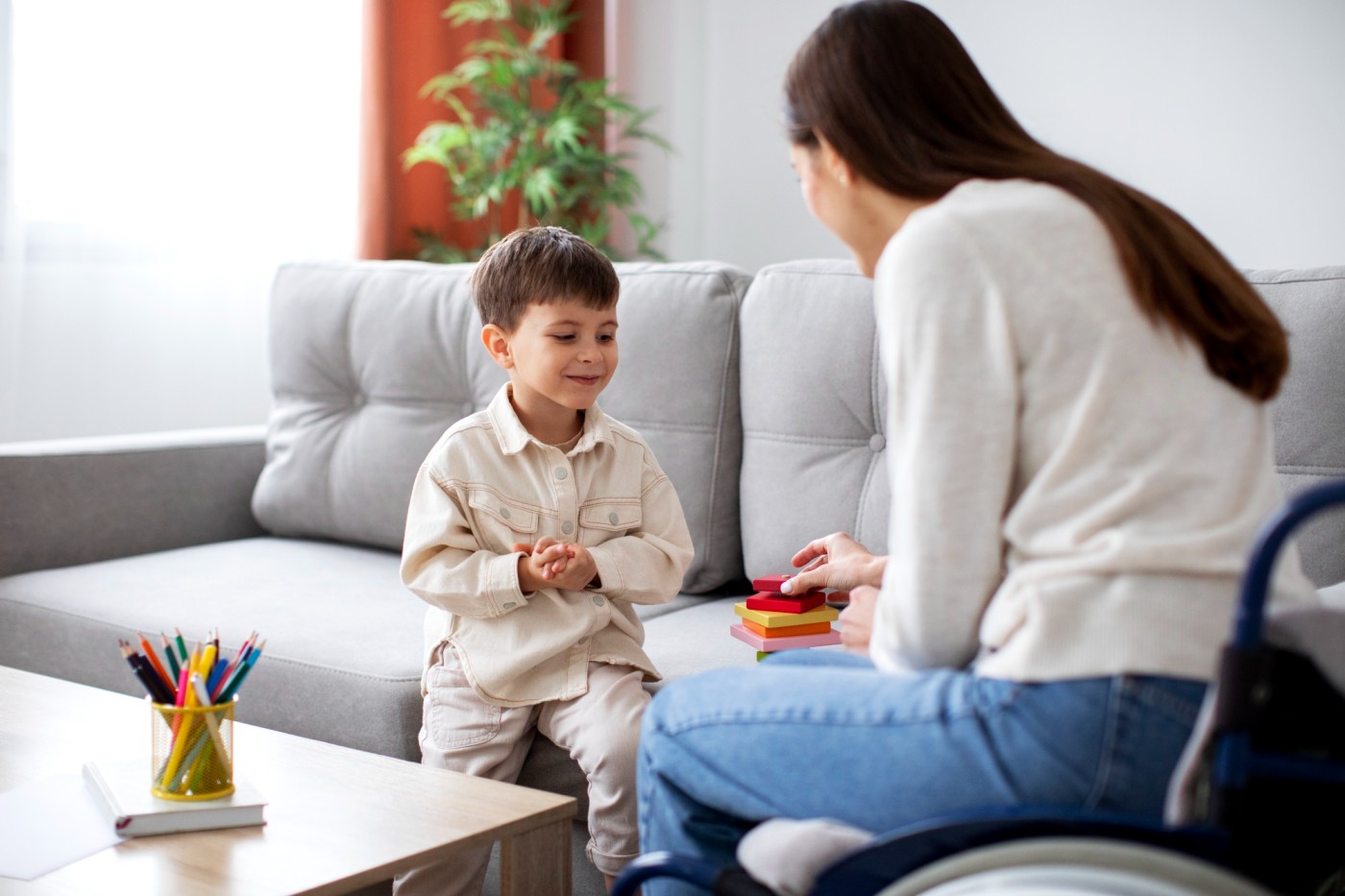

Why Is My Child Struggling in School Even Though They're Smart?
If you're asking this question, here's the short answer: your child likely has an underlying learning, attention, or emotional difference that hasn't been identified yet — and a comprehensive psychoeducational evaluation is the fastest way to find out what it is and what to do about it. Bright, capable kids across San Jose, Sunnyvale, Santa Clara, and the rest of Silicon Valley fall behind in school every year not because they lack intelligence, but because no one has pinpointed why reading, focus, homework, or emotional regulation feels so much harder for them than it does for their classmates. That's exactly the gap that Whole Mind Psychological Services was built to close.
Silicon Valley is one of the most academically competitive regions in the country. Parents here aren't just managing report cards — they're managing anxiety about AP classes in middle school, comparisons to high-achieving siblings and classmates, and school districts that move fast and expect families to keep up.
When a child starts falling behind, shutting down, or melting down over homework, it's rarely a simple "try harder" problem. It's usually a sign that something specific — ADHD, a learning disability, giftedness paired with anxiety, or an autism spectrum difference — is quietly shaping how that child experiences school every single day.
What Does a Child Psychologist Actually Do?
A licensed child or educational psychologist evaluates how a child thinks, learns, pays attention, and manages emotions, then translates those findings into a concrete action plan. In practice, that means:
- Testing cognitive ability and academic skills to see how a child's IQ compares with their actual reading, writing, and math performance
- Screening for ADHD, autism, dyslexia, and other learning differences using standardized, research-backed tools
- Assessing anxiety, mood, and behavior to understand whether emotional struggles are causing the academic dip, or the other way around
- Writing a report that qualifies a child for school support, such as a 504 Plan or an Individualized Education Program (IEP)
- Recommending specific interventions — from extended test time to executive-functioning coaching to therapy — tailored to that child's profile
This is the core of what a Licensed Educational Psychologist does, and it's the foundation of every evaluation completed at Whole Mind Psychological Services, a San Jose-based practice serving families throughout the Bay Area.
Signs Your Child May Benefit from a Psychoeducational Evaluation
Parents often wait months — sometimes years — before seeking an evaluation, hoping the struggle is "just a phase." In most cases, earlier answers lead to easier interventions. Here's what to watch for.
Academic Warning Signs
- Reading below grade level despite tutoring or extra practice
- Homework that takes two or three times longer than it should
- Strong verbal skills but weak written output ("knows it but can't show it")
- Sudden drop in grades after a previously strong academic record
- Teacher comments about inattention, daydreaming, or incomplete work
Emotional and Behavioral Warning Signs
- Meltdowns or shutdowns around homework and test time
- Growing school avoidance, stomachaches, or "I feel sick" mornings
- Perfectionism paired with intense fear of making mistakes
- Difficulty making or keeping friends
- A previously confident child who now says "I'm just not smart"
If several of these sound familiar, it's worth exploring a full psychoeducational evaluation rather than waiting for report cards to catch up on their own.
How Whole Mind Psychological Services Supports Silicon Valley Families
What sets a strong evaluation apart isn't just the testing — it's what happens after the testing. Under the direction of founder Michelle Esparza, a Licensed Educational Psychologist with more than a decade of experience, the team at Whole Mind Psychological Services approaches every case as a partnership between clinician, child, and family rather than a one-time appointment.
That looks like:
- Comprehensive, individualized testing rather than a generic checklist
- Clear, jargon-free reports parents can actually understand and use
- Direct guidance on IEPs and 504 Plans, including how to advocate for your child in an IEP meeting
- Support beyond the report — parent coaching, executive functioning strategies, and referrals for therapy when needed
- Multilingual services for English-, Mandarin-, and Spanish-speaking families
- Both in-person appointments in Silicon Valley and teletherapy for families anywhere in California
The practice also works directly with school districts on staffing and consultation, which means the team understands both sides of the table — what a family needs, and what a school is required to provide.
What Happens During the Evaluation Process?
Most families want to know exactly what to expect before committing to an evaluation. The process typically unfolds in four stages:
- Free initial consultation — a conversation about your concerns, your child's history, and whether an evaluation is the right next step
- Testing sessions — a series of standardized cognitive, academic, and behavioral assessments, usually completed across one or two appointments
- Feedback and report — a plain-language explanation of results, diagnosis (if applicable), and specific recommendations
- Follow-up support — help implementing recommendations at school and at home, including IEP or 504 documentation
Families can start this process by reaching out through the Whole Mind Psychological Services contact page, where a team member responds within one to two business days to schedule that first conversation.
Serving San Jose, Sunnyvale, Santa Clara, and All of Silicon Valley
Because the practice is headquartered in San Jose, it's uniquely positioned to understand the specific pressures Silicon Valley families face — from packed schedules at tech companies to the intensity of local public and private school systems. Families across the region turn to local specialists because they need someone who already understands the district policies, the accommodation process, and the pace of life here.
For example, families in Sunnyvale looking into a possible autism diagnosis can find dedicated guidance through autism testing services in Sunnyvale, which walks parents through the signs, the testing process, and what support looks like after diagnosis. Whether you're in San Jose, Santa Clara, Cupertino, Mountain View, or Palo Alto, in-person evaluations are available locally, with teletherapy options for anyone elsewhere in California.
Frequently Asked Questions
How do I know if my child needs testing or just needs a tutor? A tutor can help with skill gaps, but if a child continues to struggle despite consistent tutoring, that's usually a sign of an underlying learning or attention difference that testing — not more repetition — is needed to identify.
How long does a psychoeducational evaluation take? Most evaluations involve one to two testing sessions plus a feedback appointment, with a full written report typically completed within a few weeks.
Will an evaluation qualify my child for accommodations at school? If the evaluation identifies a qualifying learning, attention, or developmental difference, the report can be used to request a 504 Plan or IEP through your child's school district.
Is testing available in languages other than English? Yes — evaluations are available for English-, Mandarin-, and Spanish-speaking families.
Do you offer virtual appointments? Yes — in-person services are offered throughout Silicon Valley, and teletherapy is available for families anywhere in California.
For additional background on learning differences and school accommodations, organizations like Understood.org and the CDC's ADHD resource center offer helpful, research-based overviews that complement what you'll learn during a formal evaluation.
The Bottom Line
Academic struggles rarely resolve themselves, and emotional struggles almost never do. What changes outcomes is clarity — understanding exactly what's going on inside a child's mind so the right support can follow. That clarity is the entire purpose behind Whole Mind Psychological Services: helping Silicon Valley families move from confusion and frustration to a clear, actionable plan.
If your child is struggling with school, focus, or emotional regulation, don't wait for the next report card to tell you what you already suspect. Schedule a free consultation with Whole Mind Psychological Services and take the first step toward answers your family can actually use.